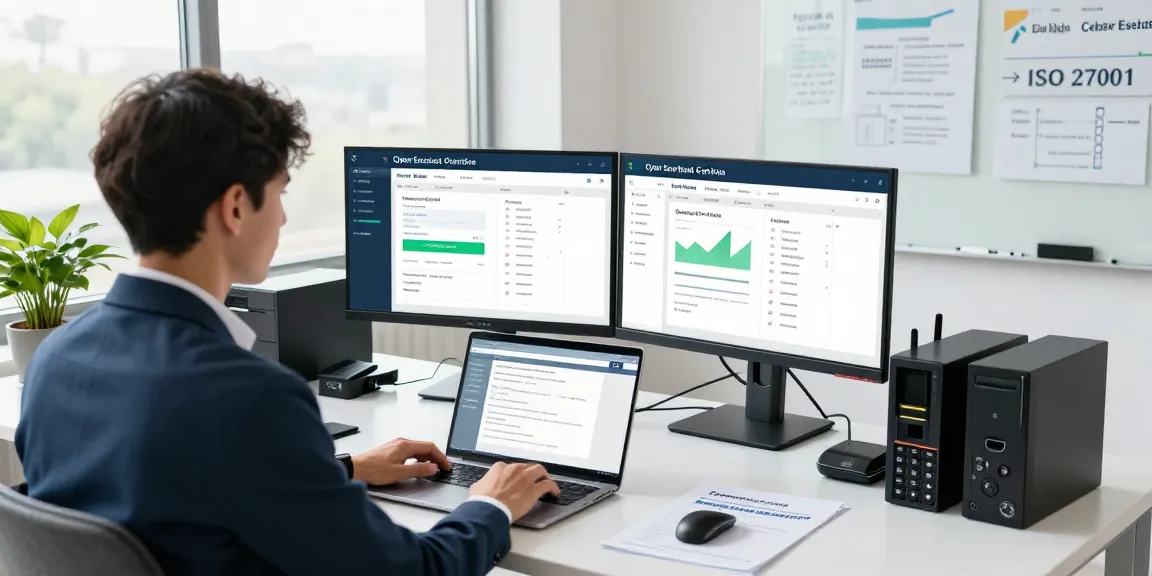
Understanding Cyber Essentials and ISO 27001
In today’s digital landscape, where cyber threats are becoming increasingly sophisticated, businesses must prioritize their cybersecurity measures. The two prominent certifications, Cyber Essentials and ISO 27001, provide organizations with vital frameworks to secure their systems and data. While both certifications aim to bolster an organization’s cybersecurity posture, they approach the task from different angles and cater to different needs. Understanding the distinctions between these two standards is crucial for businesses looking to enhance their security frameworks. When exploring options, cyber essentials vs iso 27001 offers comprehensive insights into the requirements and benefits of each certification.
What is Cyber Essentials?
Cyber Essentials is a UK government-backed cybersecurity certification that serves as a foundational framework for organizations seeking to mitigate the risk of cyber threats. It focuses on implementing five key technical controls that form the basis of good security hygiene. The certification is particularly beneficial for small and medium-sized enterprises (SMEs) who may not have extensive IT resources. By achieving Cyber Essentials certification, businesses can enhance their cybersecurity posture, protect against common cyber-attacks, and demonstrate their commitment to safeguarding client data.
Overview of ISO 27001
ISO 27001, on the other hand, is an international standard that outlines best practices for information security management systems (ISMS). Unlike Cyber Essentials, which focuses on specific technical controls, ISO 27001 takes a holistic approach, addressing not only technical aspects but also organizational processes, personnel management, and risk management strategies. Certification to ISO 27001 signifies that an organization has established, implemented, maintained, and continuously improved its ISMS, thus demonstrating its commitment to protecting sensitive information and managing information security risks effectively.
Key Differences Between Cyber Essentials and ISO 27001
The primary distinction between Cyber Essentials and ISO 27001 lies in their scope and depth. Cyber Essentials is more prescriptive, providing a clear framework for implementing essential security measures, while ISO 27001 offers flexibility in approach, allowing organizations to tailor their security management processes according to their unique needs. Furthermore, Cyber Essentials is typically faster and less resource-intensive to achieve, making it attractive for SMEs, whereas ISO 27001 involves a comprehensive audit and requires ongoing maintenance and continuous improvement.
The Importance of Cybersecurity Certification for Businesses
With cyber incidents on the rise, cybersecurity certifications are no longer optional but a necessity for businesses of all sizes. Having either Cyber Essentials or ISO 27001 certification is often a prerequisite for securing contracts with governmental bodies or large enterprises. These certifications not only help in building trust with clients and partners but also demonstrate a proactive approach to cybersecurity risk management.
Benefits of Cyber Essentials for SMEs
For small and medium-sized enterprises, the benefits of Cyber Essentials certification are multi-faceted. Firstly, it helps establish a robust foundational cybersecurity posture that protects sensitive data and minimizes the risk of breaches. Additionally, achieving the certification can enhance an SME’s reputation and credibility with customers and stakeholders, as it showcases a commitment to cybersecurity best practices. Furthermore, certification can sometimes reduce insurance premiums and increase eligibility for insurance coverage.
Why ISO 27001 is Crucial for Larger Organizations
Larger organizations, especially those handling significant amounts of sensitive data, require a more comprehensive approach to information security management. ISO 27001 provides a structured framework that helps these organizations identify, assess, and mitigate risks effectively. The certification is recognized globally, making it pivotal for organizations that operate across borders or in regulated industries. Additionally, ISO 27001 certification can lead to streamlined processes and improved operational efficiencies through the implementation of best practices.
Common Misconceptions in Cybersecurity Certifications
One common misconception is that achieving Cyber Essentials or ISO 27001 guarantees complete protection against cyber threats. In reality, cybersecurity is an ongoing process, and organizations need to continually assess and adapt their security measures. Another misconception is that certifications are solely for large enterprises; however, both Cyber Essentials and ISO 27001 are designed to cater to organizations of all sizes, providing tailored solutions to meet specific cybersecurity needs.
Implementation of Cyber Essentials vs ISO 27001
Achieving either Cyber Essentials or ISO 27001 involves a structured process that organizations must follow diligently. However, the implementation processes vary significantly between the two certifications, each with unique steps, timelines, and resource requirements.
Step-by-Step Guide to Achieving Cyber Essentials Certification
The process for obtaining Cyber Essentials certification typically involves a simple self-assessment that focuses on five key controls—secure configuration, user access control, malware protection, security update management, and firewalls. Organizations must conduct a thorough review of their systems, identify potential vulnerabilities, and implement necessary measures to address these vulnerabilities. Once the self-assessment is completed, organizations can submit their application for certification, which is typically granted within a few days if all criteria are met.
ISO 27001 Certification Process Explained
In contrast, the ISO 27001 certification process is more comprehensive and involves several stages, including initial scoping, risk assessment, control implementation, internal audits, and possibly a pre-assessment audit before the final certification audit. Organizations must document their ISMS policies and procedures thoroughly, and the entire process can take several months, especially for organizations seeking to establish an ISMS from scratch.
Ongoing Compliance: Balancing Both Standards
Ongoing compliance is a critical aspect of both Cyber Essentials and ISO 27001. Cyber Essentials requires annual re-certification, while ISO 27001 mandates regular internal audits and a continual improvement process to ensure that the information security management system remains effective. Organizations must maintain appropriate documentation, perform regular risk assessments, and be prepared for periodic external audits to retain their certification status.
Comparing Costs and Resource Allocation
The financial commitment and resource allocation required for Cyber Essentials and ISO 27001 certifications can vary significantly, influencing an organization’s decision on which certification to pursue.
Cyber Essentials Cost Analysis
Cyber Essentials certification is generally more affordable, with costs often ranging from £300 to £2,000 annually, depending on the size of the organization and whether they opt for Cyber Essentials Plus, which includes an independent audit. Organizations can usually complete the process with minimal external assistance, making it a cost-effective option for SMEs looking to boost their cybersecurity.
Financial Commitment for ISO 27001 Implementation
Conversely, the financial commitment for ISO 27001 certification is typically higher. Costs can range from £5,000 to over £30,000, factoring in consultancy fees, training, and the time taken to implement the necessary policies and processes. Larger organizations may also incur additional costs associated with ongoing compliance and maintenance of the ISMS.
Cost-Effectiveness: Which Certification is Worth It?
When considering cost-effectiveness, organizations should evaluate their specific security requirements and the potential risks they face. For SMEs, Cyber Essentials offers a quicker return on investment by providing essential protections without overwhelming costs. For larger enterprises or those in regulated industries, the comprehensive nature of ISO 27001 may justify the higher investment, given its ability to address a broader range of security and compliance needs.
Future Trends in Cybersecurity Certifications
The cybersecurity landscape is continually evolving, and businesses need to stay ahead of emerging threats and compliance requirements. Understanding future trends in cybersecurity certifications can help organizations prepare for changes and challenges in the coming years.
Emerging Cybersecurity Standards Beyond 2026
As cyber threats evolve, so too will the standards that govern cybersecurity practices. Emerging regulations may require organizations to adopt more integrated approaches to cybersecurity, emphasizing the importance of combining technical controls with comprehensive risk management strategies. This could lead to new certifications that blend the strengths of existing standards like Cyber Essentials and ISO 27001.
Integrated Approaches: Merging Cyber Essentials with ISO 27001
Moving forward, we may see a trend towards integrating Cyber Essentials with ISO 27001. Organizations may find significant value in adopting both frameworks to benefit from the strengths of each certification. Such an integrated approach can help organizations ensure they meet government requirements while also establishing a robust ISMS that addresses a wide range of security risks.
Preparing for Future Changes in Compliance Requirements
As the regulatory landscape evolves, organizations will need to remain agile and prepared for changes in compliance requirements. Continuous monitoring of cybersecurity threats, regular training, and engaging with cybersecurity experts will be essential in navigating an increasingly complex environment. Organizations must also be ready to adapt their security measures and policies to meet new standards and regulations as they arise.
Do I need Cyber Essentials if I have ISO 27001?
Organizations that attain ISO 27001 certification may wonder whether it is necessary to pursue Cyber Essentials as well. While ISO 27001 encompasses many of the controls outlined in Cyber Essentials, obtaining both certifications can provide a more robust defense against cyber threats and enhance organizational credibility with clients and partners.
What are the 5 key controls in Cyber Essentials?
The five key controls in Cyber Essentials include:
- Firewalls: Properly configured boundary firewalls on every internet-facing device.
- Secure Configuration: Set up computers securely to minimize vulnerabilities.
- User Access Control: Limiting access rights to only essential personnel.
- Malware Protection: Implementing and maintaining anti-malware tools on all devices.
- Security Update Management: Regularly applying security patches and updates.
How long does it take to get certified for Cyber Essentials?
The timeline for achieving Cyber Essentials certification varies but is generally between a few days to a couple of weeks, depending on the organization’s readiness and the time taken to implement necessary controls. For Cyber Essentials Plus, organizations should factor in additional time for the independent audit.
What is the cost of ISO 27001 certification?
The cost of ISO 27001 certification can vary widely based on organizational size, complexity, and scope of implementation. Organizations should budget for both initial certification costs and ongoing maintenance, with total investment typically ranging from £5,000 to over £30,000.
How do Cyber Essentials and ISO 27001 complement each other?
Both Cyber Essentials and ISO 27001 can be complementary in strengthening an organization’s cybersecurity posture. While Cyber Essentials provides a strong foundation in basic cybersecurity practices, ISO 27001 builds on this by offering a comprehensive management system that addresses broader security and compliance needs. Together, they can create a robust framework to navigate the complexities of modern cybersecurity challenges.