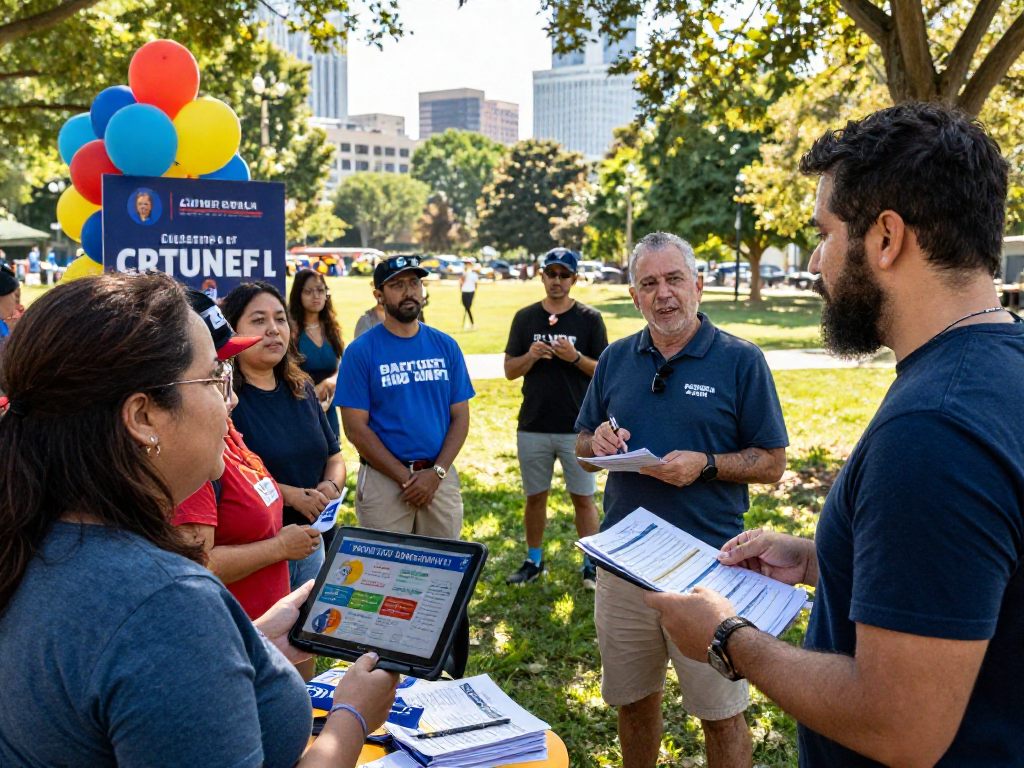
Understanding Political Text Messaging Services
In the fast-paced world of political campaigning, effective communication can make or break a candidate's chances at the polls. With the rise of mobile technology, political text messaging services have emerged as a powerful tool for voter engagement. By sending targeted messages directly to constituents’ devices, campaigns can foster real-time communication and mobilize support. This article delves deep into the world of political text messaging, shedding light on why these services are vital in modern elections and how to leverage them effectively.
What are Political Text Messaging Services?
Political text messaging services are platforms that enable campaigns to send bulk SMS messages to voters and supporters. These services allow for personalized and immediate communication, making them an essential part of contemporary political strategy. Texts can range from reminders about polling dates, information about candidates, to calls for action, such as attending rallies or volunteering. The advantage lies in their direct nature; texts have a higher open rate compared to emails, ensuring that messages reach their intended audience more effectively.
Benefits of Utilizing Text Messaging in Campaigns
Using a political text messaging service offers numerous benefits for political campaigns. Here are some key advantages:
- Instant Reach: Text messages are typically opened within minutes, providing campaigns with a rapid means of communication.
- High Engagement: Campaigns can achieve higher engagement rates through interactive content such as polls and surveys sent via text.
- Cost-Effective: Compared to traditional advertising methods, texting is relatively inexpensive, allowing campaigns to allocate resources more efficiently.
- Targeted Messaging: By utilizing voter data, campaigns can segment their audience and tailor messages to specific demographics, enhancing relevance and impact.
Integrating Political Text Messaging into Campaigns
To fully harness the power of text messaging, campaigns must integrate these services into their overall strategy. This involves thoughtful planning and execution to ensure messages resonate with voters.
Creating Targeted Messaging for Voter Engagement
Effective text messaging begins with a clear understanding of the audience. Campaigns should create detailed voter profiles based on data analytics. By analyzing voter preferences, demographics, and previous interactions, campaigns can craft messaging that speaks directly to constituents' needs and concerns. This targeted approach not only increases engagement rates but also strengthens voter relationships.
Using Data-Driven Insights for Effective Campaigns
Data is at the core of successful political texting campaigns. By leveraging tools that provide insights into voter behavior and preferences, campaigns can refine their messaging strategies. Utilizing A/B testing can help determine which messages resonate most with different segments of the population. Analyzing responses to various text campaigns can reveal trends that inform future communications and overall strategy.
Best Practices for Text Messaging Campaigns
To maximize the effectiveness of text messaging campaigns, adhering to best practices is crucial. Here are some guidelines:
- Obtain Permission: Always ensure voters have opted in to receive messages to comply with regulations and build trust.
- Be Concise: Messages should be short and to the point, ideally under 160 characters, to capture attention quickly.
- Include a Call to Action: Each message should encourage the recipient to take a specific action, such as voting or attending an event.
- Monitor and Respond: Actively monitor responses and be ready to engage with voters’ replies, fostering a two-way conversation.
Real-World Applications and Case Studies
Examining successful campaigns that have utilized text messaging provides valuable insights into effective strategies.
Successful Campaigns Leveraging Text Messaging
One notable example is the 2020 Biden campaign, which effectively incorporated text messaging to mobilize voters. They used targeted texts to reach diverse demographic groups, providing information about early voting and absentee ballot requests. This strategic approach contributed to a significant increase in voter turnout, showcasing the power of text messaging in modern political campaigns.
Lessons Learned from Failed Text Messaging Strategies
Conversely, campaigns that have mismanaged their text messaging strategies highlight the pitfalls to avoid. A campaign that inundates voters with excessive messages or fails to personalize content can lead to opt-outs and disengagement. Understanding what went wrong in these scenarios is crucial for learning and improvement.
Comparative Analysis of Text Messaging Services
Not all text messaging services are created equal. When selecting a provider, campaigns should compare features like pricing, analytics offerings, and ease of use. Some platforms may offer advanced targeting capabilities and integration with other campaign tools, while others may focus on straightforward SMS delivery. Carefully evaluating options can help campaigns choose the best fit for their needs.
Challenges and Solutions in Text Messaging
While text messaging offers numerous advantages, it also comes with its own set of challenges that campaigns must navigate.
Common Misconceptions About Text Messaging
One prevalent misconception is that text messaging is obsolete in the age of social media. In reality, while social media plays a crucial role in engagement, texts offer unique advantages such as immediate reach and higher engagement rates. Understanding the complementary nature of these tools is vital for modern campaigns.
Legal Considerations and Compliance Issues
Compliance with the Telephone Consumer Protection Act (TCPA) is essential for any campaign utilizing text messaging. This includes obtaining consent from recipients and providing opt-out options. Failure to comply can result in hefty fines and damage to the campaign's reputation. Ensuring that legal protocols are followed is a non-negotiable aspect of any text messaging strategy.
Overcoming Technical Barriers in Campaign Implementation
Technical difficulties can hinder the success of text messaging campaigns. Campaigns should invest in training staff to use chosen platforms effectively and anticipate potential technical issues before they occur. Partnering with experienced service providers can also help mitigate these challenges.
The Future of Political Text Messaging Services
The landscape of political campaigning will continue to evolve, and text messaging will play a significant role in this transformation. As technology advances, so too will the strategies that candidates employ to engage with voters.
Trends to Watch in 2026 and Beyond
In the coming years, expect to see a rise in personalization and automation in text messaging campaigns. As artificial intelligence continues to develop, campaigns will be able to craft more tailored messaging that adapts to voter responses in real-time. Moreover, integrating text messages with other communication channels will enhance overall campaign effectiveness.
The Role of Technology in Evolving Campaign Strategies
Emerging technologies, including machine learning and big data analytics, will further refine how campaigns approach text messaging. By continuously analyzing voter data and behaviors, campaigns can anticipate needs and craft proactive strategies.
Predictions for Political Communication in Future Elections
As political communication becomes increasingly digital, SMS will remain a cornerstone of voter engagement. Campaigns that invest in robust text messaging strategies are likely to have a competitive advantage, as this form of direct communication resonates with voters who value immediacy and personalized interactions.
What are the Key Benefits of Text Messaging?
To summarize, text messaging serves as a direct line of communication with voters, enhancing engagement, facilitating immediate responses, and ensuring that messages are seen promptly. This immediacy can be particularly effective in last-minute campaign pushes, reminding voters to turn out on Election Day or share important information.
How Can Campaigns Measure Text Messaging Success?
Success in text messaging campaigns can be measured through various metrics, including open rates, engagement levels, and conversion rates for specific actions like voting or event attendance. By setting clear objectives and monitoring performance, campaigns can adjust strategies to improve results continuously.
What are the Fundamental Dos and Don’ts of Text Messaging?
When implementing text messaging strategies, campaigns should adhere to key dos and don’ts:
- Do: Obtain consent before messaging.
- Do: Personalize communications wherever possible.
- Don’t: Send messages too frequently to avoid overwhelming recipients.
- Don’t: Ignore responses; engage with voters to build relationships.
How is Political Text Messaging Adapting to Changing Technologies?
As communication technologies advance, text messaging will continue to adapt. Innovations such as multimedia messaging service (MMS) will allow campaigns to send images and videos, enriching the voter experience. This evolution will require campaigns to be agile and receptive to new forms of communication.
What Innovations are Emerging in Political Campaigns?
Innovations in political campaigns are increasingly focusing on interactivity. Campaigns are exploring options such as interactive texts that allow voters to respond to polls or engage in conversations, creating a more dynamic form of communication. This transformation signifies a shift towards more engagement-driven strategies.