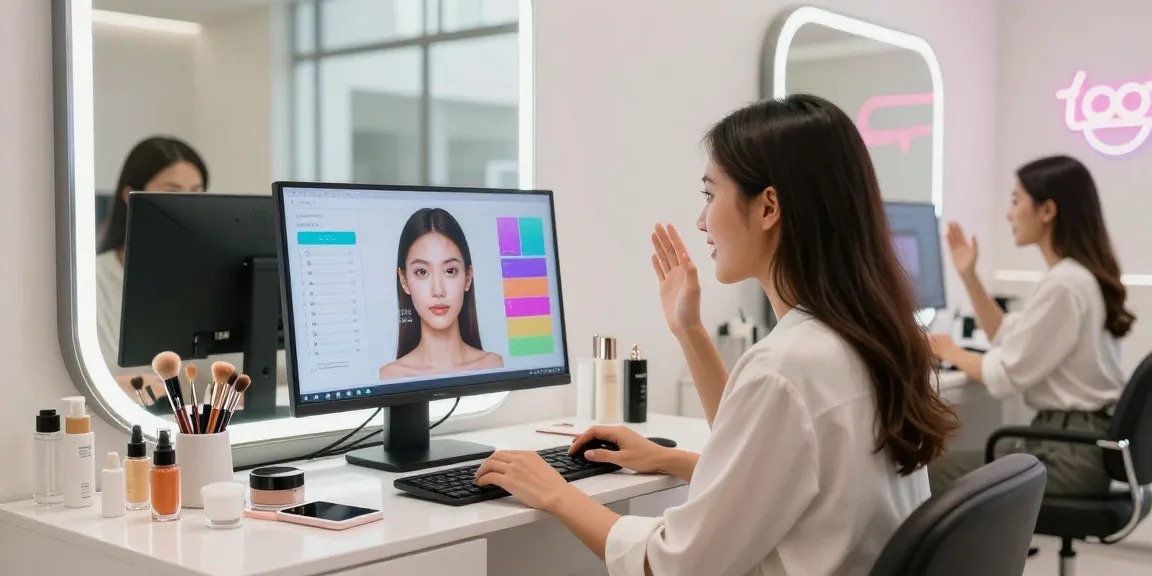
Understanding the Test of Attractiveness
With advancements in technology, the concept of beauty and attractiveness has reached new dimensions. The test of attractiveness is gaining popularity as a tool that not only helps individuals assess their looks but also provides insights into societal beauty standards. Today, we delve into what constitutes these tests and how they harness the power of artificial intelligence to provide credible results.
What is the Test of Attractiveness?
The test of attractiveness typically involves the use of algorithms that assess facial features based on various metrics such as symmetry, proportion, and adherence to recognized standards of beauty. Users upload their photos, and the system evaluates these images to generate an attractiveness score, often on a scale from 1 to 10. This scoring mechanism incorporates reasoning behind what many perceive as attractive, derived from deep learning models trained on vast datasets of images.
How AI Technology Enhances Attractiveness Testing
Artificial intelligence significantly enhances the accuracy and reliability of attractiveness testing. By utilizing landmark detection methods, AI evaluates over 400 facial points, allowing for a comprehensive analysis of aspects like facial symmetry, the golden ratio, and more. Moreover, these models can adapt and learn from each analysis, improving their accuracy over time. This blend of technology not only augments the user experience but also democratizes beauty assessments, making them accessible to anyone with a smartphone.
Importance of Facial Features and Beauty Standards
Facial features play a crucial role in how attractiveness is perceived, influenced by cultural and societal standards. Features such as a symmetrical face, clear skin, and well-defined cheekbones often score higher on attractiveness tests. It's important to recognize that beauty standards vary across cultures and eras, and what is deemed attractive in one society may not hold the same weight in another. Understanding these variations helps contextualize the results from attractiveness tests.
The Science Behind Attractiveness
Biological and Psychological Factors Influencing Perception
Attractiveness isn't just a social construct; it's deeply rooted in biology and psychology. Studies suggest that humans are evolutionarily programmed to find certain physical traits attractive, as these traits may signify health and reproductive fitness. Traits such as youthfulness, symmetry, and even specific facial proportions evoke positive responses. Psychologically, individuals often form their perceptions of beauty based on societal influences, media portrayals, and personal experiences, creating a complex interplay between biology and environment.
Measuring Beauty: Symmetry and Ratios
One of the critical factors in measuring beauty is facial symmetry. Symmetrical faces are often statistically found to be more attractive, as they are perceived to indicate genetic quality. The golden ratio, a mathematical ratio of approximately 1.618:1, is another standard used to assess facial beauty. Many attractiveness tests incorporate these mathematical principles into their algorithms, providing users with a quantitative basis for their beauty scores.
Common Misconceptions about Attractiveness
Despite the rising popularity of attractiveness tests, several misconceptions persist. One common belief is that these tests can definitively determine a person's worth or potential in romantic relationships, which is inaccurate. Attractiveness is subjective and varies widely among individuals. Furthermore, many users may overlook the importance of personality traits, confidence, and behavior, which significantly impact overall attractiveness.
Benefits of Taking an Attractiveness Test
Enhancing Self-Confidence through Feedback
Taking an attractiveness test can be an eye-opening experience that often boosts self-confidence. By receiving constructive feedback, individuals can understand their perceived strengths and areas for improvement. This knowledge not only instills confidence but can also inspire positive changes in appearance, grooming, and health habits.
Understanding Personal Beauty Metrics
Attractiveness tests provide users with a unique opportunity to comprehend their beauty metrics. By analyzing individual results, users can identify which aspects of their appearance align with prevailing beauty standards. This understanding helps individuals embrace their unique features while recognizing that beauty is multi-faceted and not solely based on conventional metrics.
How Attractiveness Tests Can Guide Personal Grooming
One practical benefit of attractiveness tests is their ability to offer grooming recommendations tailored to individual facial features. By understanding the areas that may need enhancement or adjustment, users can make informed decisions about hairstyles, makeup techniques, or skincare routines that align with their personal beauty goals.
Trends in AI and Beauty Technology for 2026
Emerging Technologies in Facial Recognition
As we look towards 2026, emerging technologies in facial recognition are set to redefine the landscape of attractiveness testing. Enhanced algorithms using artificial intelligence will likely become more accurate, incorporating not just still images but also dynamic factors such as expressions and lighting conditions. This advancement may further minimize biases present in current models, leading to fairer and more inclusive assessments of beauty.
Integration of Social Media and Attractiveness Testing
The fusion of social media and AI-based attractiveness testing is poised to create engaging platforms for users. As people increasingly share their beauty journeys online, attractiveness tests may integrate with social media applications to offer real-time feedback and even enable community-driven insights. This interaction can offer users a supportive environment that encourages self-improvement while fostering a deeper understanding of personal beauty.
Future Predictions for AI in Beauty
Looking ahead, one can expect AI to play an even more significant role in the beauty industry. Predictive algorithms could soon develop tailored beauty solutions based on individual preferences and trends, bridging the gap between technology and personal grooming. This leap may empower users to refine their beauty practices in ways that were previously unimaginable.
Practical Tips for Using Attractiveness Tests Effectively
Choosing the Right Attractiveness Test Platform
For those interested in trying an attractiveness test, it's crucial to choose a platform that is credible and reliable. Look for testing tools backed by research and verified algorithms, as they will produce more accurate and trustworthy results. Reading reviews and understanding the platform’s methodology can help in making an informed decision.
Interpreting Your Attractiveness Score
When you receive your attractiveness score, it's essential to consider it as a starting point rather than a definitive measure of your worth. Understand the metrics used in the assessment and recognize that cultural variations and subjective opinions play a significant role in how beauty is perceived. Use your score to reflect on your preferences and areas you might want to improve upon rather than allowing it to dictate your self-worth.
Making Informed Changes Based on Test Results
If you decide to make changes based on your attractiveness test results, ensure they align with your personal values and lifestyle. Whether it’s adopting a new skincare routine or exploring different hairstyle options, your choices should resonate with your identity and how you wish to express yourself.
What Do My Results Mean for Me?
Your test results may provide insights into your perceived beauty, but they shouldn’t define you. Embrace the feedback as part of your journey towards self-improvement, but remember that confidence, kindness, and authenticity often outweigh superficial scores.
Can Attractiveness Tests Change Over Time?
Yes, attractiveness tests can change over time as societal beauty standards evolve and as AI technology improves. Personal factors such as lifestyle changes, aging, and emotional well-being also contribute to one's perceived attractiveness. Regularly engaging with attractiveness tests can help track these changes and inspire continual growth.