Understanding Gemstone Quality: What to Look For
Choosing the perfect gemstone is both an art and a science. Understanding the quality of gemstones is essential for collectors, investors, and casual buyers alike. Factors such as clarity, cut, color, and carat weight determine a gemstone’s value and appeal. To make informed purchases, it’s crucial to know what to look for and where to find reliable information about vendors. For instance, when exploring options, https://www.mygemspot.com provides comprehensive insights into reputable merchants.
Evaluating Gemstone Clarity and Cut
Gemstone clarity refers to the presence of inclusions or blemishes, which can affect the stone’s beauty and value. A clear gemstone is typically more valuable than one with visible flaws. The Gemological Institute of America (GIA) grades clarity on a scale from Flawless (no inclusions visible under 10x magnification) to Included (inclusions visible to the naked eye). Additionally, the cut of a gemstone affects its brilliance and how well it reflects light. A well-cut stone enhances its clarity and overall appearance, making it crucial in the purchasing process.
Importance of Color in Gemstone Selection
Color is one of the most significant factors in determining a gemstone’s quality. The hue, saturation, and tone all play vital roles. For example, in sapphires, a deep blue hue is often the most sought after. Understanding the color grading can guide you in selecting high-quality gemstones that meet your aesthetic preferences and investment goals. The right color can make a gemstone stand out, but it also affects marketability and resale value.
Understanding Gemstone Carat Weight
Carat weight is a critical consideration when assessing the value of gemstones. A carat equals 200 milligrams, and larger stones are typically rarer and more valuable. However, carat weight should be evaluated in conjunction with other qualities such as size and dimensions. Sometimes, two stones of the same carat weight can differ significantly in price based on their quality, cut, and clarity.
The Role of Certification in Gemstone Purchases
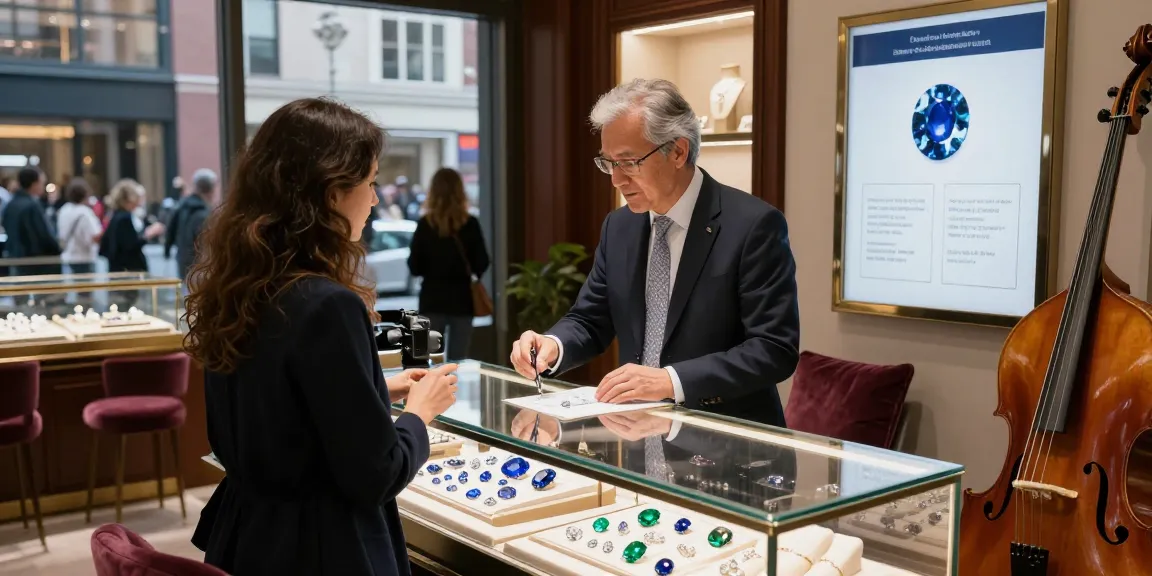
When purchasing gemstones, certification serves as a vital assurance of quality and authenticity. A reputable gemstone certification provides buyers with details regarding a stone’s characteristics and grading, adding confidence to the purchase.
Recognizing Trustworthy Certification Bodies
There are several credible organizations providing gemstone certifications, including the Gemological Institute of America (GIA), the International Gemological Institute (IGI), and the American Gem Society (AGS). Each organization has its grading system, and understanding these differences can help you make informed decisions when selecting gemstones.
How to Verify Certification Authenticity
To ensure a certificate is genuine, always check the certification number against the issuing body’s database. Reputable certification organizations allow customers to verify their documents online, ensuring that you receive exactly what you pay for. Be cautious of certificates that lack this verifiable information as they can indicate potential fraud.
The Impact of Certification on Gemstone Value
A certified gemstone often retains its value better than an uncertified one. Buyers are typically willing to pay a premium for stones with reputable certifications, as these documents provide a guarantee of quality and authenticity. Therefore, investing in a certified gemstone can yield better long-term financial returns.
Finding Reliable Merchants and Sellers
The market is flooded with gemstone vendors, making it essential to identify reputable merchants. Reliable sellers should provide transparent information about their products and services, enhancing your buying experience.
Tips for Identifying Reputable Gemstone Vendors
- Look for established sellers with positive customer reviews and testimonials.
- Check for affiliations with recognized gemstone certification bodies.
- Ask about return policies, warranties, and guarantees on purchase.
- Seek out vendors who are willing to answer questions and provide detailed product information.
Online vs. Physical Store Purchases: Pros and Cons
Purchasing gemstones online offers convenience and often a wider selection, but it comes with risks, such as the inability to accurately assess the stone’s quality before buying. Physical stores allow for direct examination of stones, but they may have limited options and higher prices. Understanding the advantages and disadvantages of each method can help you make the right choice based on your specific needs.
Customer Reviews: What to Pay Attention To
When researching a seller, customer reviews can provide valuable insights into the quality of their gemstones and service. Pay attention to feedback regarding product quality, customer service, and any issues with returns or exchanges. High ratings and positive testimonials are usually a good sign of a reputable vendor.
Understanding Pricing in the Gemstone Market
Gemstone pricing can be complex, influenced by numerous factors such as rarity, quality, and market demand. Understanding these factors will help you avoid overpaying and enable effective negotiation.
Factors Influencing Gemstone Prices
- Quality attributes (clarity, cut, color, carat weight)
- Market demand and current trends
- Source location and rarity of the gemstone
- Certification and grading by reputable organizations
How to Spot Overpriced Gemstones
To avoid overpriced gemstones, familiarize yourself with market rates and trends. Compare similar stones across various vendors to gauge the average price. Be cautious of deals that seem too good to be true, as they often come with hidden costs or inferior quality.
The Best Times to Buy Gemstones for Deals
Timing can be critical when purchasing gemstones. Major shopping holidays, seasonal sales, and during gemstone expos are excellent opportunities to find deals. Additionally, end-of-season stock clearance can also lead to significant discounts.
Future Trends in the Gemstone Industry for 2026
The gemstone industry is poised for change as consumer preferences evolve and technology advances. Keeping an eye on these trends can help buyers stay informed and capitalize on emerging opportunities.
Sustainable Gemstone Sourcing and Its Importance
As consumers become increasingly aware of sustainability, ethically sourced gemstones are gaining traction. Sellers who prioritize sustainable practices can expect to attract a growing demographic of conscientious buyers. Ensuring that gemstones are sourced responsibly is not just an ethical choice but also a smart business strategy moving forward.
Technological Advances in Gemstone Evaluation
Advancements in gemological technology are improving the accuracy of gemstone assessments. Tools such as spectroscopy and 3D imaging are becoming more common in both evaluations and certifications, helping to better inform buyers regarding their purchases.
Emerging Market Trends in Custody and Care
Gemstone care is becoming more specialized, with a focus on preserving value through professional cleaning and storage solutions. Companies offering care solutions for gemstones are innovating to provide options that appeal to both collectors and everyday consumers.
What Should You Know Before Investing in Gemstones?
Investing in gemstones requires knowledge of market dynamics, trends, and personal preferences. Understanding factors like resale potential, certification, and market demand will help investors make sound decisions that enhance the value of their collection over time.
How Will Blockchain Change Gemstone Authenticity?
Blockchain technology is set to revolutionize gemstone authenticity verification. By providing a tamper-proof ledger, buyers can trace the provenance of their gemstones, ensuring transparency and trust. This could drastically reduce fraud and increase consumer confidence in gemstone acquisitions.