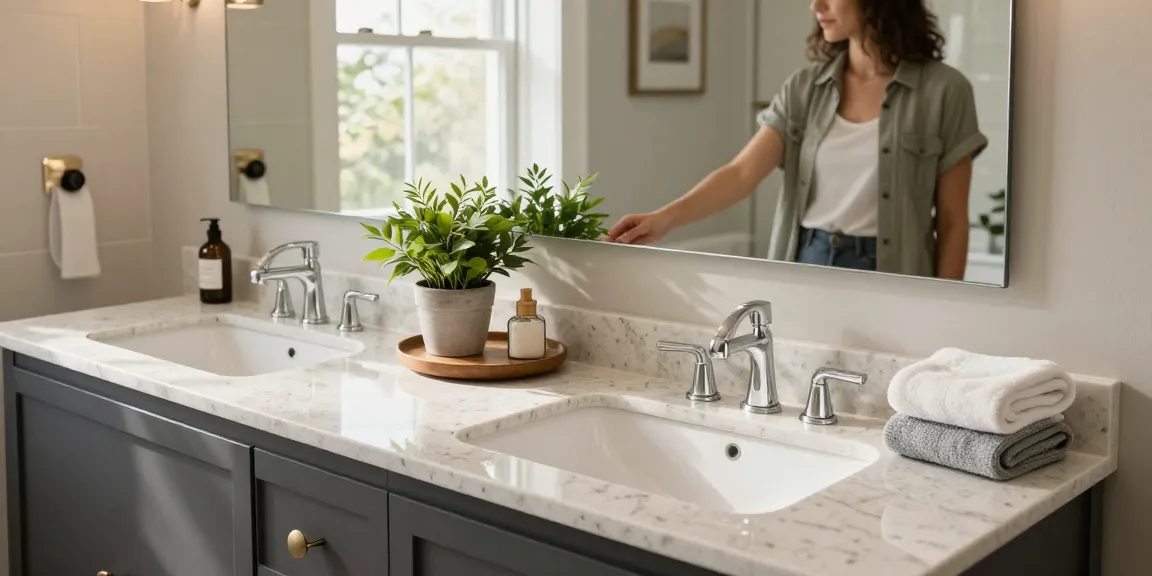
Understanding the Importance of a Bathroom Vanity
The bathroom vanity plays a pivotal role in transforming both the functionality and aesthetic appeal of your bathroom. Not only does it serve as a central storage unit, but it also acts as a focal point that can enhance your overall decor. When exploring options, bathroom vanity selections offer a variety of styles and functionalities that cater to diverse preferences and space requirements.
What is a Bathroom Vanity?
A bathroom vanity is a combination of a sink and storage, designed to serve as a multi-functional piece of furniture. It typically includes a countertop, a basin for washing, and cabinets or drawers for storage. With various designs available—ranging from traditional to modern—bathroom vanities are designed to fit seamlessly into different bathroom spaces.
Key Functions of Bathroom Vanities
The primary functions of bathroom vanities include:
- Storage: Vanities provide essential storage for toiletries, towels, and cleaning supplies, helping to maintain an organized space.
- Design Element: They are often the centerpiece of bathroom design, influencing the room’s overall look and feel.
- Workspace: The countertop offers a practical space for grooming activities such as applying makeup or shaving.
How a Vanity Influences Bathroom Design
A bathroom vanity significantly impacts your bathroom’s aesthetics, setting the tone for the entire space. Whether you opt for a rustic wood finish or a sleek modern style, the choice of vanity can enhance the visual appeal and functionality of the room. Moreover, the color, material, and design of the vanity should align with your overall decor to create a cohesive look.
Common Pitfalls in Bathroom Vanity Selection
Choosing the Wrong Size: Impact on Space
One of the most common mistakes homeowners make is selecting a vanity that is either too large or too small for their space. A vanity that is too large can overwhelm a small bathroom, while one that is too small may not provide adequate storage. It is crucial to measure the available space carefully and consider the layout of other fixtures.
Ignoring Material Quality: Why It Matters
Bathroom vanities are exposed to moisture, heat, and varying temperatures. Choosing lower quality materials can lead to issues such as warping, mold, and a shorter lifespan. Opt for materials that are specifically designed for bathroom use, such as solid wood or plywood, which can withstand the high humidity levels typical in bathrooms.
Neglecting Style Cohesion: Match with Your Decor
Failing to consider how a vanity fits with your overall bathroom style can disrupt the cohesiveness of the design. For instance, installing a contemporary vanity in a traditional bathroom can create a jarring contrast. It’s essential to choose a vanity that complements your chosen aesthetic, whether that be rustic, modern, or classic.
Best Practices for Selecting Your Bathroom Vanity
Assessing Your Needs: Single vs. Double Vanities
When selecting a bathroom vanity, one of the first decisions you’ll face is whether to choose a single or double vanity. A single vanity is ideal for smaller spaces, while a double vanity can accommodate multiple users, making morning routines more efficient. Assess your space and needs to make the best choice.
Material Considerations: Durability and Maintenance
Durability should be a priority when selecting materials for your vanity. Materials like quartz or granite for countertops are resilient and easy to maintain, while softer woods may require more upkeep. Think about how often you will use the vanity and choose materials that can withstand daily wear and tear.
Design Trends for 2026: What’s In and What’s Out
As we move into 2026, several design trends are emerging in bathroom vanities. Minimalist designs with clean lines are gaining popularity, while bold, dark colors are being favored over lighter tones. Additionally, floating vanities that create the illusion of more space are trending, along with integrated lighting for added convenience and style.
Installation: Key Steps for a Successful Bathroom Vanity Setup
Preparing Your Space: Measurements and Layouts
Before installation, it’s crucial to prepare your space by taking accurate measurements. Ensure that there is enough room for opening doors and drawers, and consider the plumbing layout. Proper planning helps avoid any unexpected challenges during installation.
DIY vs. Professional Installation: Pros and Cons
Deciding between DIY and professional installation depends on your skill level and comfort with home improvement tasks. DIY projects can save you money, but improper installation may lead to costly mistakes. Hiring a professional ensures that the installation is done correctly and may save time and stress.
Common Installation Mistakes to Avoid
Some common mistakes during vanity installation include failing to level the vanity, not securing it to the wall, and overlooking plumbing connections. Careful attention to detail in these areas can prevent future issues and ensure a functional and beautiful setup.
Future Trends in Bathroom Vanity Designs
Eco-Friendly Materials: Sustainable Choices
As awareness of environmental issues grows, eco-friendly materials are becoming a significant trend in bathroom vanities. Sustainable wood options and recycled materials offer stylish choices that minimize environmental impact. Homeowners are increasingly opting for vanities that reflect their commitment to sustainability.
Smart Bathrooms: Integrating Technology into Vanities
Smart technology is making its way into bathroom vanities as well. Features such as integrated LED lighting that can be adjusted for brightness, touchless faucets, and heated drawers are enhancing both convenience and luxury in modern bathrooms.
Innovative Storage Solutions for Modern Vanities
As bathrooms become more multifunctional, innovative storage solutions are gaining traction. From pull-out shelves to built-in organizers, modern vanities are designed to maximize every inch of space. Look for vanities that offer creative storage options to keep your bathroom organized and clutter-free.
What types of bathroom vanities are available?
Bathroom vanities come in various styles, including freestanding, floating, and built-in models. Freestanding vanities are versatile and easy to install, while floating vanities create a modern look by being mounted on the wall, allowing for more floor space. Built-in vanities are often custom-made to fit specific dimensions, offering a seamless design.
How can I maintain my bathroom vanity?
Maintaining your bathroom vanity involves regular cleaning and care. Use mild cleaners to avoid damaging surfaces, and keep an eye on water damage, particularly around the sink area. Regularly check and tighten any loose fittings to ensure longevity.
What are the latest trends in bathroom vanity design for 2026?
In 2026, trends are leaning towards minimalist designs, bold colors, and the integration of technology. Smart features combined with eco-friendly materials are also leading the way, ensuring that modern vanities are both functional and stylish.
Can I install a bathroom vanity myself?
Yes, if you have basic DIY skills, you can install a bathroom vanity yourself. However, ensure you have the right tools and instructions before starting. If you are unsure about plumbing or electrical work, consider hiring a professional for those aspects.
How do I choose the right size for my bathroom vanity?
To choose the right size, measure the available space and consider the layout of your bathroom. Ensure that there is adequate space for doors and drawers to open without obstruction. A well-sized vanity can enhance functionality and aesthetics.