Understanding Age Estimation Technology
In today's digital age, the fascination with perceived age versus actual age has surged, leading to the rise of various age estimation tools. These tools utilize advanced technology, particularly artificial intelligence (AI), to provide users with insights into how old they look. When exploring options, how old do I look is a popular search term among those curious about their appearance relative to their chronological age. This article delves into the technology behind these tools and offers a comprehensive guide for users.
What is an AI Age Estimator?
An AI age estimator is a digital tool that analyzes facial features to predict a person's age. By employing machine learning algorithms, these estimators have been trained on vast datasets of images to recognize patterns associated with aging. The technology interprets factors such as skin texture, the presence of wrinkles, and facial structure to calculate a predicted age.
How Does AI Determine Your Facial Age?
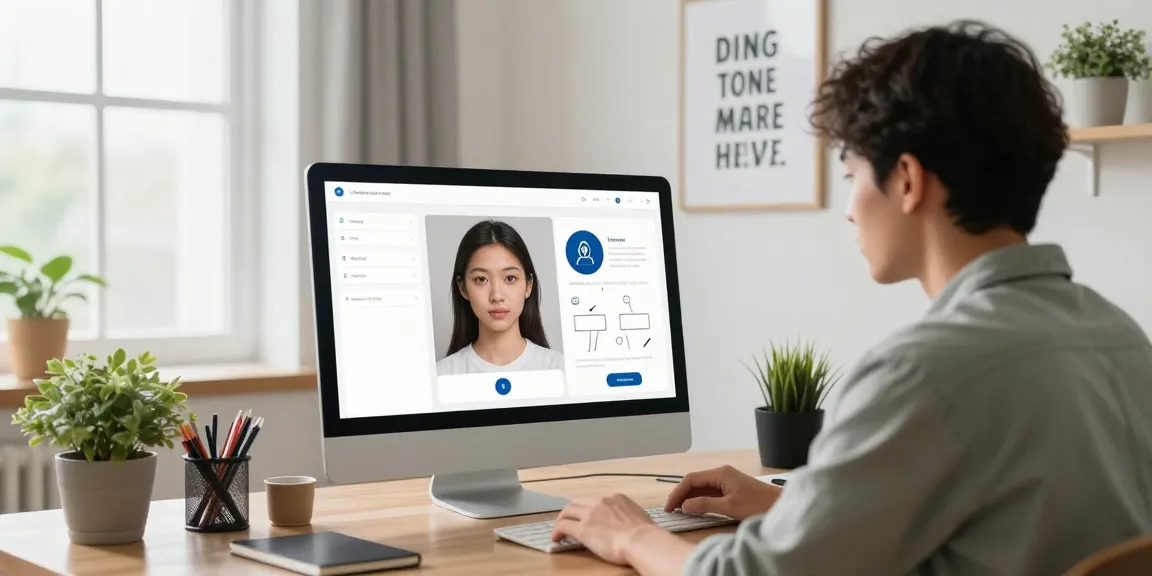
The process begins with the user uploading a high-resolution photograph. The AI then examines key characteristics like the condition of the skin, eye shape, and even the fullness of cheeks. The sophistication of the underlying algorithms allows the software to derive a biological age that may differ from the user's actual age. Various platforms utilize distinct methods for analysis, making the accuracy of results vary across different services.
Benefits of Using AI for Age Estimation
- Privacy: Many platforms prioritize user privacy, allowing individuals to get an age assessment without sharing personal information.
- Instantaneous Feedback: Users can receive results almost immediately after submitting their photos.
- Engagement: The process of uploading a photo and receiving instant feedback can be entertaining and informative.
Common Features of Age Estimation Tools
Photo Uploading Options: What You Need to Know
Most age estimation tools provide users with multiple options for photo uploads. This can include direct uploads from smartphones, laptops, or even webcam captures. Some services enhance user experience by allowing live scans, meaning the software can analyze the user's face in real-time to deliver immediate results.
Analysis Techniques: How Accurate Are They?
Accuracy varies significantly based on the technology used by each platform. Some employ deep learning methods that continually improve through user interaction, while others may rely on static algorithms. Users should consider reading reviews and comparing multiple platforms to find the most reliable service. Generally, while these tools are not perfect, they can provide a close approximation of facial age for the average user.
Privacy Considerations in Age Estimation Tools
As with any online service that requires personal images, privacy is a critical concern. Reputable age estimation tools have measures in place to ensure that uploaded data is not stored or misused. Users are encouraged to review the privacy policies of these services to ensure that their data remains secure and confidential.
How to Prepare Your Photo for Best Results
Optimal Lighting and Angles for Age Estimation
The quality of the image can significantly affect the accuracy of age estimation. Good lighting is crucial; natural light reduces shadows and helps showcase skin texture clearly. Aim for a well-lit environment with the light source facing the subject, and avoid harsh overhead lights or backlighting, which can distort features.
Common Mistakes When Uploading Your Image
Users often overlook key factors that can lead to inaccurate results. Common mistakes include using images with excessive filters or makeup, which can obscure true skin quality. Additionally, ensuring that the face is fully visible without obstructions such as sunglasses or hats is essential for a valid assessment.
Editing Your Photo: Do’s and Don’ts
While minor edits for brightness and contrast can enhance the clarity of an image, users should refrain from heavy editing. Overly polished photos can lead to misleading results. The aim is to provide an authentic representation of one's appearance, enabling the AI to make a more accurate estimation of age.
Comparing Popular Age Estimation Platforms
FaceAge.ai vs. Fotor: Feature Comparisons
FaceAge.ai and Fotor are two leading platforms for estimating age through facial recognition technology. FaceAge.ai promotes a straightforward interface, allowing users to upload photos quickly and receive results within seconds. On the other hand, Fotor offers additional editing tools that users can utilize before submitting images, which can be an attractive feature for those who are particular about their photo presentation.
User Experiences: Reviews and Ratings
User experiences can vary widely across platforms. Many reviews highlight the fun and engaging nature of these tools but also point out that results can be hit-or-miss. Some users appreciate the accuracy, while others find discrepancies between their actual and estimated ages. Reading user testimonials can provide valuable insights into each tool's reliability and user-friendliness.
Cost Considerations and Free Options
While many age estimation tools offer free versions with basic features, some also provide premium options for more in-depth analysis and additional functionalities. Users should evaluate what features they need and whether they are willing to pay for enhanced services. Free options can suffice for casual users, while professionals or those seeking more accuracy may benefit from a paid version.
Future Trends in Age Estimation Technology
Innovations in AI and Facial Recognition
As AI technology continues to evolve, age estimation tools are likely to become more sophisticated. Future innovations may include improved algorithms that better account for individual variations, such as ethnicity and lifestyle factors. Enhanced machine learning capabilities could lead to greater accuracy in age predictions, making these tools even more appealing.
Potential Applications Beyond Age Estimation
The technology behind age estimation is not limited to entertainment and personal curiosity. Potential applications could span various fields, including healthcare, where it might aid in assessing age-related health risks, or in the beauty industry, where it could influence product development aimed at specific age demographics.
What to Expect in 2026 and Beyond
Looking ahead, we can anticipate even more integrated tools that may combine age estimation with other insights, such as health analytics based on facial recognition. As privacy standards become stricter, we may also see platforms emphasizing enhanced data security to build user trust. The future landscape will likely reflect a balance between innovative technology solutions and ethical considerations in personal data handling.
What are the benefits of using age estimation tools?
Utilizing age estimation tools can provide users with entertaining and enlightening insights into their appearances. They often serve as a conversational piece among friends and can inspire individuals to reflect on their skincare routines or lifestyle choices. Additionally, these tools can provide a sense of empowerment by allowing users to see how external factors, such as environmental stressors, may affect their perceived age.
Are AI age estimation tools reliable?
While AI age estimation tools can provide a fun and engaging experience, reliability can vary significantly based on the algorithm and dataset used. It's essential to approach the results as approximations rather than definitive assessments. Users should consider using multiple platforms to get a broader perspective on their age estimation.
What privacy measures do these tools have?
Most reputable age estimation platforms implement stringent privacy measures to ensure user data is protected. This includes encryption of uploaded photos and policies that restrict data retention. Users should always read the privacy policy of the tool they choose to ensure their data remains secure.
How can I improve the accuracy of my age estimation?
To optimize the accuracy of age estimation, users should follow best practices when preparing their photos. This includes ensuring good lighting, choosing an appropriate angle, and avoiding heavy editing or filters. The clearer and more natural the photo, the better chance the AI has at delivering an accurate assessment.
Can I use these tools for professional purposes?
While primarily designed for personal use and entertainment, age estimation tools can find applications in various professional settings, such as advertising or market research. Businesses may leverage these technologies to better understand their target demographics or to assess reactions to beauty products across different age groups.