Selecting the right tool for a rat problem is a critical decision. The wrong choice can lead to wasted time, money, and frustration, allowing a small issue to escalate into a full-blown infestation. With various methods available, from traditional traps to modern baits, knowing what to look for in a rat control product is essential for effective, long-term management.
This decision hinges on more than just immediate results. It involves evaluating safety, sustainability, and the specific context of your property. A professional approach balances immediate action with a strategic plan to prevent future problems. This guide will outline the key criteria you should consider to make an informed choice that aligns with your goals for safety, efficacy, and peace of mind.
Core Efficacy and Mechanism of Action
The primary purpose of any intervention is to work. However, “working” can be defined in different ways. The most fundamental distinction in rodent management is between lethal control, which removes individual rats, and fertility control, which manages the population growth.
Lethal Methods: Traps and Rodenticides Traditional snap traps and electronic traps provide immediate, physical removal of rodents. Their efficacy is clear and immediate when placed correctly. Rodenticides (toxic baits) also offer a lethal solution, but their effect is delayed and they carry significant risks of secondary poisoning to pets and wildlife if a poisoned rodent is consumed. Both methods address the symptom—the present rats—but do little to curb the root cause of rapid population rebound through reproduction.
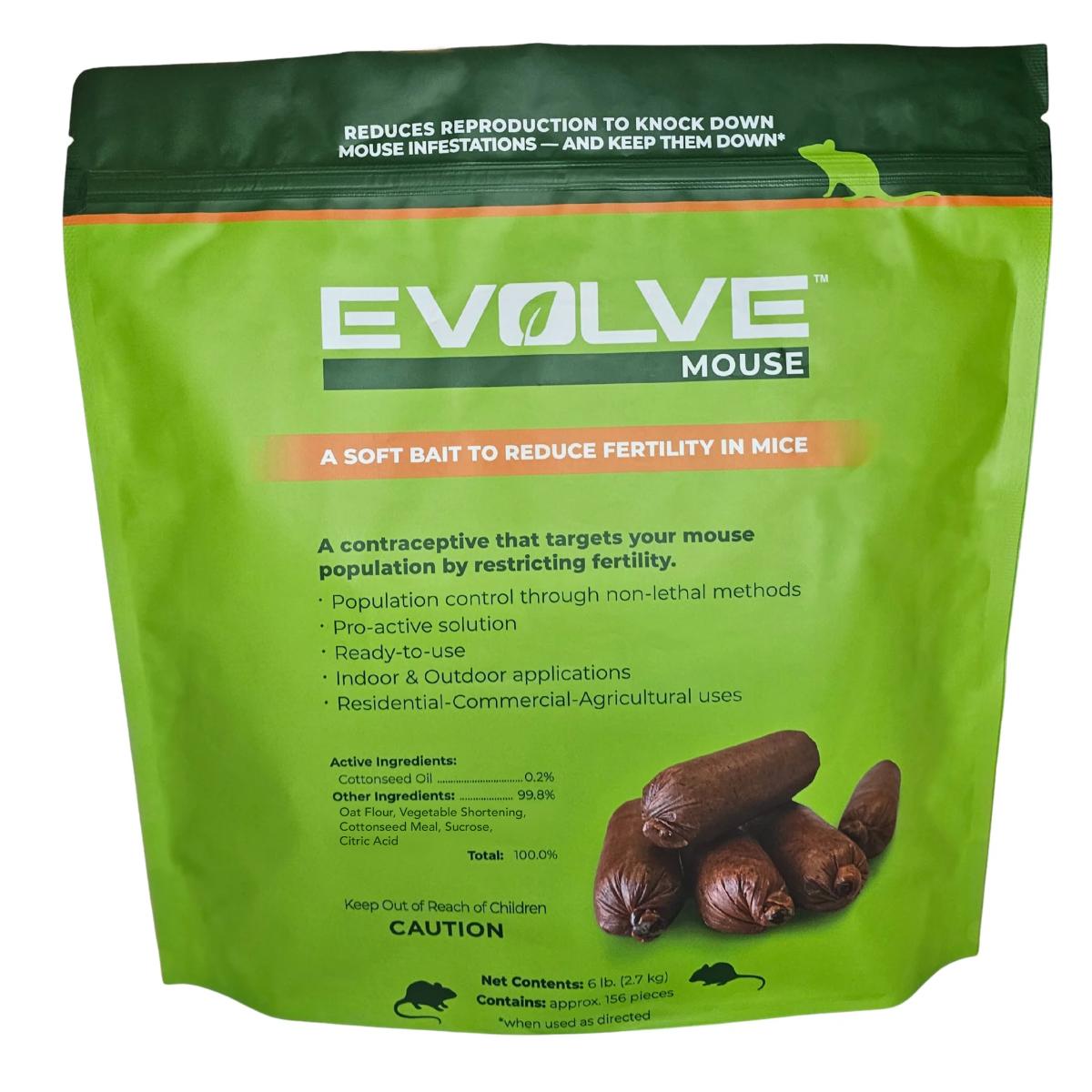
Fertility Control as Population Management A newer category of product focuses on a non-lethal mode of action. These are contraceptive baits designed to reduce reproduction in rats. By restricting fertility, these products aim to knock down infestations over time by preventing new generations. When used as directed, this approach results in noticeable population reduction by interrupting the breeding cycle. For faster results in an active infestation, a fertility control bait may be used in conjunction with traps, addressing both immediate pests and future population growth.
Safety and Risk Profile for Non-Target Species
Safety is a non-negotiable priority, especially in environments shared with children, pets, or wildlife. The ideal rat control product minimizes risk to all non-target species while remaining effective against the target pest.
Understanding “Minimum Risk” Some products are formulated with common food ingredients and are designated as minimum-risk pesticides. This classification means they are exempt from EPA registration because their active ingredients are considered to pose little to no risk. It is crucial to note that any safety claim, such as being pet, wildlife, and bird friendly, must be explicitly paired with the condition “when used as directed.” Proper deployment in tamper-resistant bait stations is often a key part of these directions, preventing accidental access.
The Importance of Application Instructions No product is universally safe without proper use. Always scrutinize the label for specific application guidelines. A product might be safe around people and animals when used as directed, but that directive is paramount. Look for clear, prominent instructions on placement, which often stipulates avoiding areas where food, water, or food-contact surfaces could become contaminated.
Ease of Use and Deployment Strategy
A product’s complexity can be a barrier to consistent, effective use. Professionals and homeowners alike benefit from solutions that are straightforward to deploy and maintain.
Ready-to-Use Formulations Look for ready-to-use products that require no mixing or complicated preparation. Easy-to-deploy solutions save time and reduce the chance of user error. Many effective baits come in pre-portioned blocks or pellets that are highly palatable, ensuring target rodents will readily consume them.
Integration into a Broader Plan The easiest product to use is one that fits seamlessly into an integrated pest management (IPM) strategy. A proactive solution for long-term population management should be versatile enough for indoor and outdoor use across residential, commercial, and agricultural sites. Furthermore, the best rat control product is often one that can be used alongside traditional methods. For instance, using traps for immediate removal while deploying a fertility control bait to manage future reproduction creates a comprehensive, multi-pronged defense.
Long-Term Results and Sustainability
A short-term fix can lead to a long-term headache. Effective rodent control is not a single event but an ongoing process. Consider how a product contributes to sustainable management over months and years.
Breaking the Reproduction Cycle Lethal methods create a vacuum effect; as rats are removed, survivors continue to breed rapidly, often requiring repeated treatments. A product that reduces fertility addresses this core issue. By targeting the population’s ability to reproduce, it helps achieve a gradual but sustained reduction in numbers. This results in a noticeable population decline over 1-2 breeding cycles (approximately 6-8 weeks) when the product is used consistently as directed.
The Proactive Mindset Ultimately, the most sophisticated tool supports a proactive, rather than purely reactive, stance. Look for products positioned for long-term population management. This smarter approach aims not just to eliminate the rats you see today, but to prevent the hundreds you could see next season. It’s a shift from constant confrontation to strategic, science-based management that keeps populations down.
Selecting the Right Product for Your Environment
Your specific setting dictates the most appropriate choice. A warehouse, a restaurant, a farm, and a suburban home each present unique challenges and constraints.
Commercial and Agricultural Considerations In commercial or agricultural settings, where large areas and food sources may be present, versatility and safety are paramount. Products approved for use in these environments, which can be deployed in tamper-resistant bait stations, offer a practical solution. The goal here is often population management with minimal disruption to operations and minimal risk to livestock or stored goods.
Residential and Sensitive Areas For homes, especially those with pets and gardens, the safety profile becomes the dominant concern. Homeowners should prioritize products with clear, minimum-risk formulations and straightforward instructions for safe placement. The appeal of a non-lethal, fertility-control option often lies in its alignment with a desire to manage pests humanely and responsibly without introducing toxins into the living environment. This represents a fundamental evolution in how we approach pest control rats, focusing on management over eradication.
Frequently Asked Questions
How long does it take to see results from rat control products?
Results vary by product type. Lethal traps and some rodenticides can show immediate results. Fertility control baits work differently, targeting reproduction. They begin working within individuals quickly, but a noticeable reduction in the overall population typically becomes evident after 1-2 breeding cycles, or approximately 6-8 weeks, when the product is used consistently as directed.
Are there rat control products safe for use around pets?
Safety depends entirely on following label directions. Some products formulated with common food ingredients are considered minimum-risk and are pet and wildlife friendly when used as directed. This almost always means placing the bait inside secure, tamper-resistant bait stations to prevent accidental ingestion by non-target animals. Never assume a product is safe without reading and adhering to all instructions.
What is the difference between a rodenticide and a fertility control bait?
Rodenticides are toxic baits designed to kill rats. Fertility control baits use a non-lethal mode of action; they are contraceptive baits that reduce fertility in rats, leading to population decline over time. The former removes existing pests, while the latter manages future population growth. They can be used together for a comprehensive strategy.
Can I use these products indoors?
Many modern rat control products are labeled for both indoor and outdoor use. However, you must follow the label instructions precisely. For indoor use, placement is critical to avoid areas where food or food-contact surfaces could become contaminated. Using provided bait stations is highly recommended for safety and to protect the bait.
Why should I use bait stations?
Tamper-resistant bait stations are crucial for safety and efficacy. They protect the bait from moisture and dust, keep it accessible to rodents while restricting access by children, pets, and wildlife, and allow you to monitor consumption. For best results and to fulfill the “when used as directed” safety conditions, always use the appropriate bait stations.
Is one application enough for long-term control?
Rarely. Rat control is typically an ongoing process. Even with highly effective products, monitoring and maintenance are key. For fertility control, consistent availability of the bait is necessary to affect new individuals entering the population. A proactive, sustained approach is more effective than a single treatment for achieving long-term population management.
Conclusion
Choosing a rat control product is a strategic decision that impacts the immediate and future state of your property. The most effective choice balances proven efficacy with a responsible safety profile, ease of use, and a focus on sustainable results. By looking beyond quick kills to solutions that manage population growth, you adopt a more comprehensive and ultimately more effective management strategy.
This proactive, science-based approach represents a smarter evolution in rodent control. It prioritizes long-term resolution over repeated short-term battles, aligning effective pest management with safety and environmental responsibility. By carefully evaluating products against these criteria, you can select a tool that not only solves today’s problem but also helps prevent tomorrow’s infestation.